Introduction
Dance is a universal language, a form of expression that transcends boundaries and connects people from all walks of life. For kids, dance isn't just about moving to the rhythm; it's an adventure filled with fun, creativity, and cultural discovery. In this article, we’ll delve into Exploring Cultural Dance Styles that Energize Kids! and reveal how these vibrant dances can ignite enthusiasm in our youth.
We’re going to explore various dance styles from around the globe, each with its own history, rhythm, and flair. Whether your child is drawn to the lively beats of African dance or the graceful movements of ballet, there’s something for everyone. So let’s lace up our dancing shoes and get ready to groove!
What Are Dance Styles?
Dance styles are distinctive forms of movement characterized by specific techniques, rhythms, and cultural backgrounds. They can range from traditional folk dances passed down through generations to modern interpretations that reflect current trends.
Why Are Dance Styles Important for Kids?
Dance serves as more than just entertainment; it plays a crucial role in childhood development. Engaging in various dance styles helps children:
- Boost Physical Fitness: Dancing improves cardiovascular health and builds muscle strength. Enhance Social Skills: Group dancing fosters teamwork and communication. Cultivate Creativity: Movement allows children to express themselves uniquely. Promote Cultural Awareness: Understanding different dance styles exposes kids to diverse cultures.
Exploring Cultural Dance Styles that Energize Kids!
When it comes to energizing kids, few activities can match the vibrancy of cultural dance styles. These dances not only engage young bodies but also help them appreciate global traditions. Dance Styles in King City Let’s break down some exhilarating dance styles that Learn more here kids can learn!
1. African Dance: A Celebration of Life
African dance is rich in history and culture. It celebrates community life with energetic movements reflecting storytelling.
Key Features of African Dance:
- Dynamic body movements Use of rhythmic clapping and drumming Emphasis on improvisation
Kids love African dance for its freedom of expression and communal spirit. When they participate in group dances such as Zulu or West African tribal dances, they feel a sense of belonging.
2. Ballet: The Art of Grace
Ballet is often seen as the epitome of elegance and grace. This classical dance form combines strength with beauty.
The Basics of Ballet:
- Focus on posture and technique Importance of discipline Use of classical music
Through ballet classes, children develop core strength while learning how to express emotions through movement—a skill that translates into other areas of life.
3. Hip Hop: The Beat of Urban Culture
Hip hop is not just a dance style; it’s a lifestyle! Originating in urban communities, hip hop incorporates elements from various cultures.
What Makes Hip Hop Unique?
- Breakdancing moves Freestyle expression Influence from street culture
Kids are naturally drawn to hip hop because it's relatable and empowering—allowing them to showcase their individuality while being part of a larger community.
4. Latin Dance: Passionate Rhythms
Latin dances such as salsa, tango, and cha-cha are known for their passion and exuberance. These dances focus on rhythmical footwork that gets everyone moving!
The Appeal of Latin Dance:
- Social interaction through partner dancing Energetic music that motivates movement Opportunities for self-expression
Latin dance encourages kids to connect with others while having tons of fun—perfect for those who thrive on social engagement!
5. Indian Classical Dance: A Storytelling Tradition
India's classical dances are both intricate and expressive—each telling a story through gestures (mudras) and facial expressions (abhinaya).
Types of Indian Classical Dances:
- Bharatanatyam Kathak Odissi
Children learning Indian classical dance gain insight into India's rich heritage while developing physical coordination.
6. Irish Dance: The Joyful Jigs
Irish dancing has gained international fame thanks to shows like "Riverdance." This energetic form involves swift footwork often performed in groups.
What Makes Irish Dance Special?
- Rhythmic tapping with emphasis on footwork Traditional music accompaniment (e.g., fiddles)
Kids love Irish dancing because it’s upbeat—perfect for burning off energy while enjoying catchy tunes!
7. Contemporary Dance: The Freedom to Create
Contemporary dance merges various styles including jazz, ballet, and hip hop—allowing dancers immense creative freedom.
Features of Contemporary Dance:
- Fluid movements combined with sharp contrasts Emphasis on personal expression
This style encourages children to explore their artistic side by blending multiple influences into their own unique choreography.
FAQs about Cultural Dance Styles
Q1: How do cultural dance styles benefit children?
A1: They promote physical fitness, enhance social skills, cultivate creativity, and encourage cultural awareness.
Q2: What age should kids start learning different dance styles?
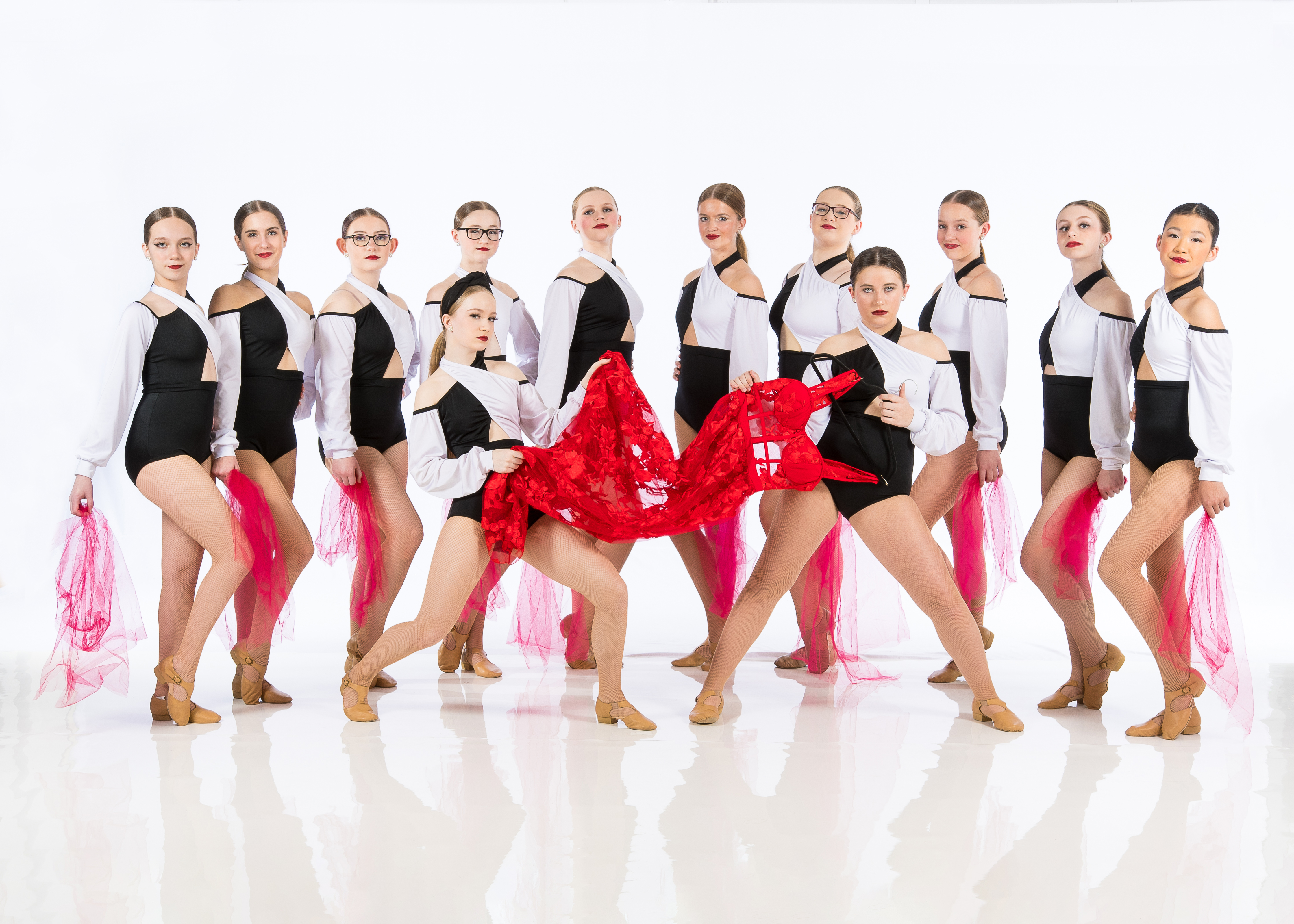
Q3: Can cultural dances be integrated into school programs?
A3: Absolutely! Schools can incorporate cultural dances into physical education or arts programs for broader educational experiences.
Q4: Do I need previous experience before enrolling my child in dance classes?
A4: No prior experience is required; most classes cater to beginners regardless of their background or skill level!
Q5: How can parents support their child's interest in cultural dancing?
A5: Parents can enroll them in classes, attend performances together, or even learn alongside them at home!
Q6: Is there any equipment needed for these dances?
A6: While some forms may require specific attire (like ballet shoes), many cultural dances simply need comfortable clothing suitable for movement!
Conclusion
In conclusion, engaging with diverse dance styles provides a fantastic opportunity for children not only to stay active but also to develop essential life skills along the way. From the energetic beats of African rhythms to the grace found within ballet's classic lines—each cultural dance style offers something unique that can energize our little ones like nothing else!
So whether your child dreams of performing on stage or simply wants an outlet for their boundless energy—jumping into the world of cultural dancing might just be the ticket! By exposing them to varied traditions through these exhilarating movements, you're not just teaching them steps; you're opening doors toward understanding cultures worldwide—one joyful leap at a time!